
Remember our post about how plumbers work on natural gas lines? Since publishing that piece, we’ve received several questions about our past work on these kinds of projects. Today, we’ll discuss four types of gas line installations we’ve worked on and offer some insight into the unique considerations of each job.
1. For Stoves
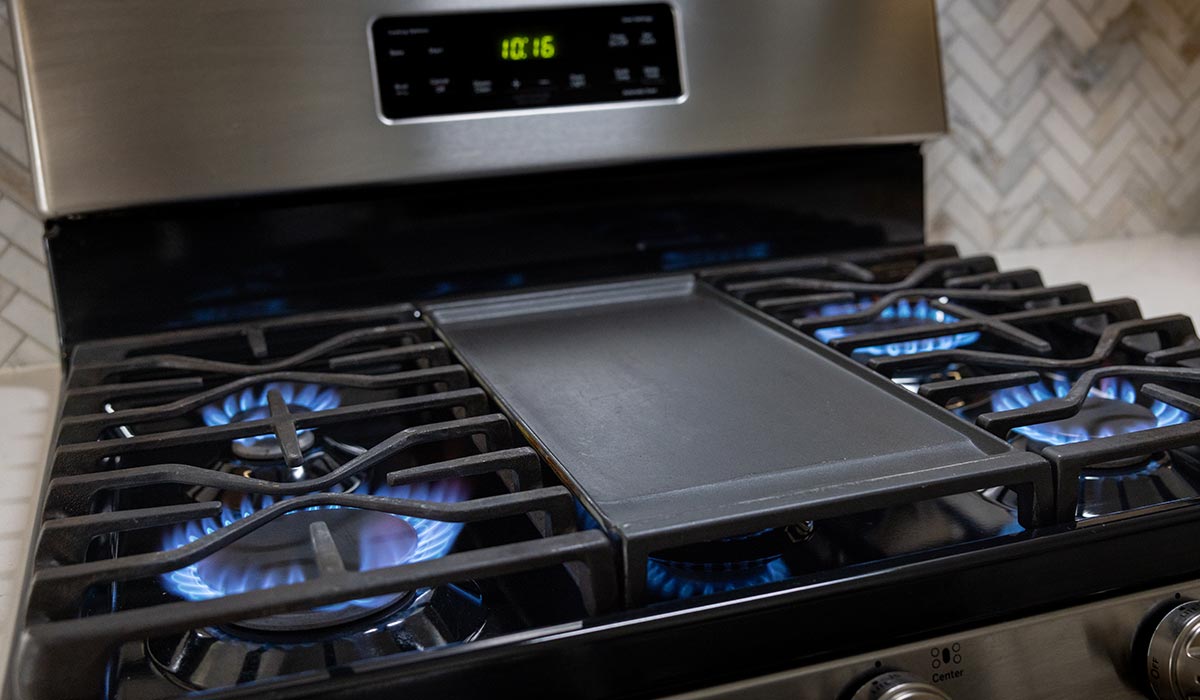
Gas stoves heat cooktops more quickly and consistently than electric stoves, give users much more precise temperature control, and can be used with unevenly-shaped cooking tools like woks.
We’ve installed more gas lines for stoves over the years than we can count. It’s a relatively quick and affordable job in most cases, taking just a few hours from start to finish. Our technicians can assist you with everything from planning where to put the new stove to providing updated paperwork for your home insurance company.
2. For Barbecues and Fire Pits
Natural gas-powered barbecues and fire pits are much more convenient to use than propane-powered or wood-burning varieties. They’re often supplied by extra-long gas lines, though, making professional installation even more important than usual.
Long gas lines are most efficient when the gas has a relatively straight path from source to access point. Inexperienced installers sometimes let this requirement slide, adding multiple bends to the line to work around tree roots and sprinkler systems when a more direct path would be the better approach.
We take extra care on these projects, engineering lines that incorporate as few bends as possible to keep fuel efficiency high. We also make sure the lines are properly trenched (buried) in accordance with local laws.
3. For Pool Heaters
Gas-powered pool heaters are great for heating water up fast, even in cold Canadian winters. Installing them comes with many of the same challenges as barbecue or fire pit lines.
Because they’re so similar, we follow many of the same guidelines for these jobs. We work to streamline the line layouts as much as possible, charting the most efficient course around obstacles while maintaining adequate pipe pressure.
4. For Clothes Dryers
Most clothes dryers in use today are electric, but some people still prefer gas-powered models. Depending on whether the dryer will be stationary or mobile, the gas lines for these appliances can be made of flexible plastic or rigid metal or polyethylene.
We’ve done both types of installations many times. We can help you decide which type is best for your needs and finish the job in as little as a few hours.
Need Natural Gas Line Installations in Windsor? Give Us a Call
As you can see, we here at Fowler Plumbing know our stuff when it comes to natural gas line work. If you’re thinking about installing a new gas line in your home, we’d love to help make it happen. Contact us today to book your consultation appointment and let us take care of the rest.