
Did you know there are four different kinds of plungers? It’s true, and each one is best suited to a specific type of job. We touched on the topic in our recent Facebook post, but we thought it deserved a little more explanation. Let’s go over each of the four types, what makes them unique, and which jobs they’ll excel at or struggle with.
1. Cup Plungers
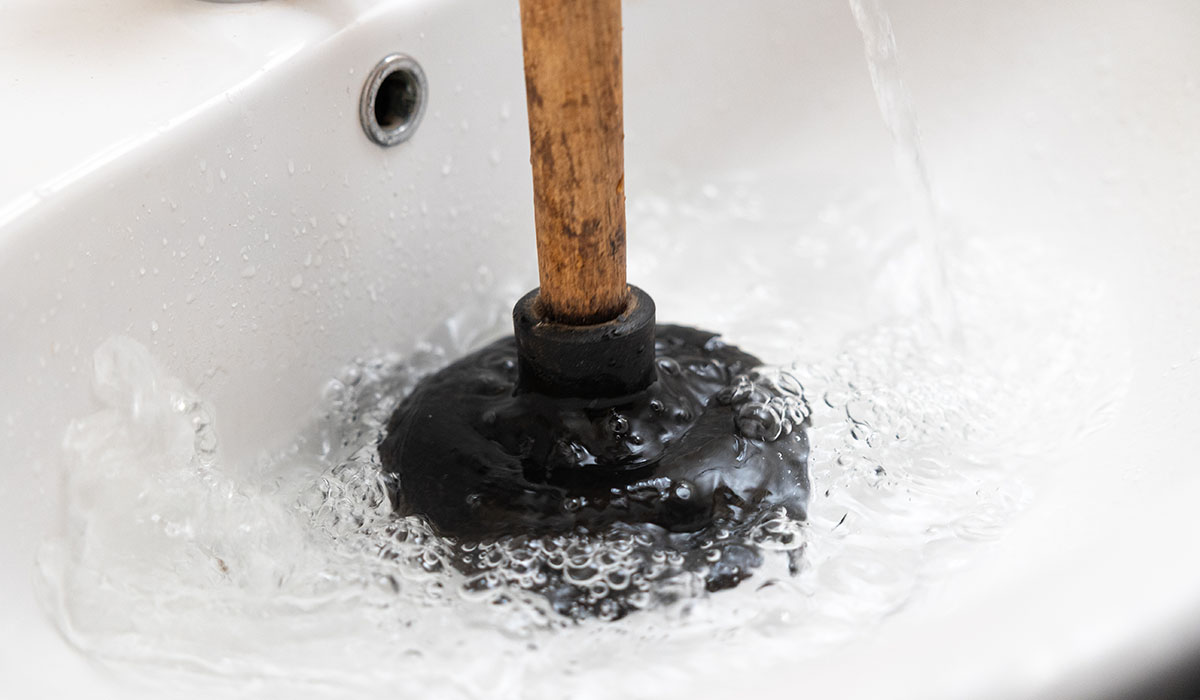
Cup plungers are the simplest of the four types. Like their name suggests, they feature a plain rubber cup attached to a wood or metal handle.
These plungers are easy to use and work well on flat surfaces like sink and shower drains. If the surface around the clog is curved or tapered, though (like the throat of a toilet bowl), it can be hard to get the rubber to form a proper seal. You’ll need a different plunger for those jobs.
2. Flange Plungers
Flange look like cup plungers, but with one big difference – they have some extra rubber (the flange) attached to the bottom of the cup. This part lets them form a strong seal on the curved surfaces that cup plungers struggle with, like toilet throats.
Since most people use their plungers almost exclusively on toilets, flange plungers tend to be more useful to most folks than cup ones. They can struggle with bigger blockages, though; you’ll need a different tool for those.
3. Accordion Plungers
Accordion plungers look very different from regular plungers. With a long segmented piece of rubber or plastic extending above a small rubber cup, they have more room inside to gather air pressure when pumped.
Since they create more suction and pushing force, accordion plungers are great for blasting through stubborn clogs. On the other hand, they require a lot of force to use and sometimes struggle to form a good seal with their small cup base.
4. Beehive Plungers
The last type of plunger is the beehive plunger. These ones have rounded rubber ends that are widest in the middle, creating a shape that looks like a beehive. They usually also have a small flange at the bottom.
These tools can fit in standard toilets, toilets with elongated bowls, and newer low-flow toilets. However, they cost a little more than other types of plungers and don’t work as well on flat surfaces like shower drains.
What About Commercial Plungers?
You might remember that we mentioned something called a commercial plunger. This isn’t really a separate type of plunger like the others we’ve talked about today. Instead, the term refers to how the plunger is constructed.
Commercial plungers are built for heavy-duty jobs. They usually have reinforced rubber cups and long handles that can reach deep into toilets and drains and give the user extra leverage. Some might have metal handles for extra durability.
You can use these plungers in your home, but most people don’t. They’re designed for use in places like schools and food service businesses. Plumbers might also use them for their superior strength.
When Your Plunger Fails, Give Us a Call
There are some clogs you just won’t be able to dislodge on your own, even if you’re using the right plunger for the job. When it happens, don’t panic: call the pros here at Fowler Plumbing instead. We’ll use our expertise and professional-grade tools to get that mess sorted out before you can say “overflow.”