
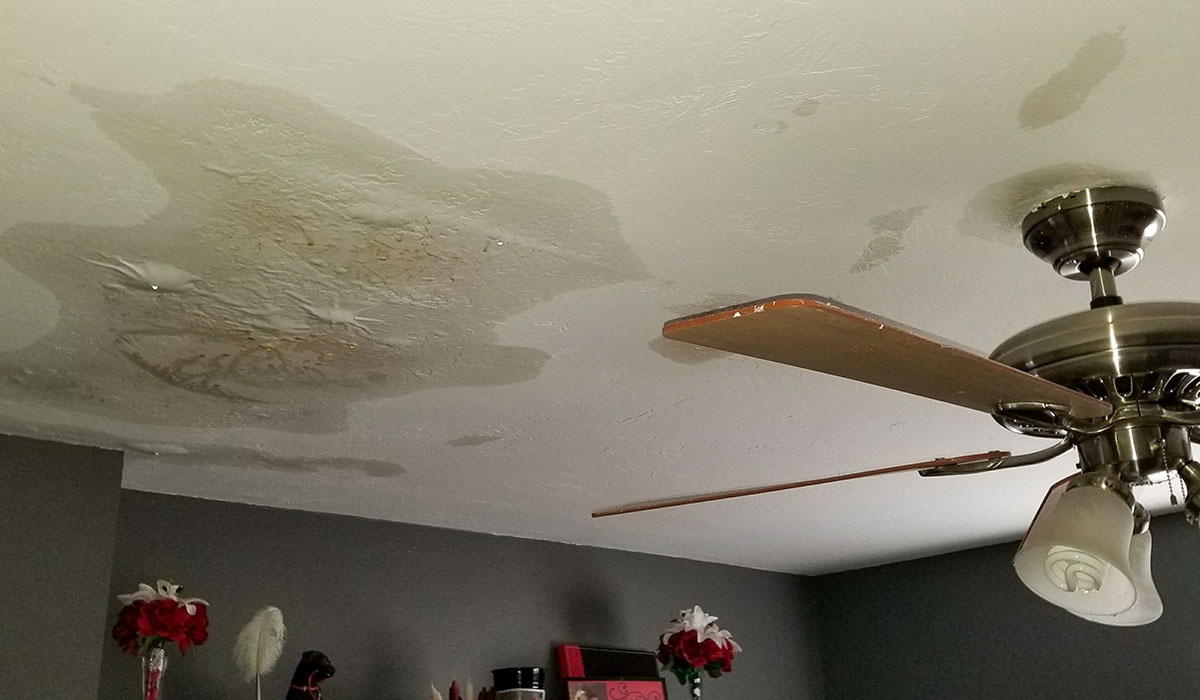
Worried that your home might have a leaky pipe somewhere? You’re right to be concerned about it. Leaks are common household problems, but even small ones can end up causing thousands of dollars of damage if left unchecked. That’s why today’s topic is leak detection. Try these five ways to look for leaks inside your home to pinpoint the issue and put a stop to it – fast!
1. Look for Puddles
It almost goes without saying, but unexplained puddles of water around your home usually point to a leak somewhere. These telltale pools can get surprisingly large if they start somewhere that’s often overlooked, such as under a sink or behind a toilet. If you spot one, listen for the sound of dripping water. That should lead you straight to the source.
2. Check for Water Damage on the Ceiling
Wet spots and moldy areas on the ceiling are another common sign of leaky pipes. In these cases, the culprit is either one of the pipes in the ceiling or a pipe on the floor above you (if there is one). You could also have water seeping in from a leak in the roof, but this usually only happens on the upper floor.
Check the upper storey for ground-level leaks before disturbing any plaster, drywall, or ceiling tiles in search of the problem pipe. Check out the roof if you can, too. You want to be sure that the issue is plumbing-related before calling in the pros.
3. Listen for Dripping Sounds in the Walls
Leaks hidden behind walls can sometimes be detected by listening carefully for a dripping sound behind the drywall. It’s usually pretty faint unless you know to look for it, but we’ve had clients with drips so loud that they thought they were hearing rain outside their home.
If you start hearing splashing sounds too, enough water has probably leaked out to create a puddle below the affected area. Letting that much water collect between walls can cause major structural issues in your home, so consider it an emergency and call a plumber right away.
4. Check Your Water Meter
If you suspect there may be a leak in your home’s pipe network, you can confirm the presence of an issue with a simple overnight test.
Start by turning off all your faucets and appliances that use water, such as bottleless water dispensers and hot water heaters. Then, record the number on your water meter before going to bed. If that number doesn’t match your morning reading, you have a leak somewhere in your pipes.
This method doesn’t tell you where the leak is, but it does confirm that further investigation is needed. Call your plumber and have them do a thorough inspection to get to the bottom of the matter.
5. Use the Flo
Most of the methods on this list only help catch leaks that have already been around for a while. With the help of technology, you can catch leaks immediately and keep them from wreaking havoc on your home.
The Flo by Moen is a smart water monitoring system that does exactly that. The system has two components: a smart valve connected to your main water supply and a set of small sensors installed in spots around your home that are vulnerable to leaks, such as the pipes under your kitchen sink or the area beneath your toilet.
Anytime these sensors detect the presence of moisture (usually a sign that a leak is underway), they send a signal to the smart system they’re connected to. This system sends an alert to your phone to let you know what’s happened. From there, you can shut off your home’s water supply remotely to keep the leak contained. You can even configure the system to shut off the water automatically for even more reliable leak protection.
Systems like the Flo aren’t perfect, but they catch leaks significantly faster than humans would in most situations. Installing one in your home is a proactive move that will give you significant peace of mind (and maybe unlock some insurance savings, too).
Leak-Proof Your Home Today
Whether you’re dealing with the aftermath of a leaky pipe or want to invest in a leak protection system to stop future leaks in their tracks, you can trust the team at Fowler Plumbing to help you protect your home from the devastating consequences of water damage. Call today and let us know what you need. We’ll take care of the rest.