
In a perfect world, even the smallest plumbing problems would be handled by a professional plumber. In the real world, though, many folks end tackling minor plumbing jobs on their own. There’s nothing wrong with doing this – as long as you do it right. Start by reading our list of DIY plumbing tips for Windsor homeowners like you.
1. Keep Tabs on Your Shutoff Valve
It’s always best to shut off your home’s water supply before you do any work on your home plumbing. Whether you’re installing a new sink or fixing up a leaky faucet, controlling the water flow at the source keeps the job simple and minimizes the risk of additional problems.
You’ll usually find your main shutoff valve in your home’s basement or utility room, often just below the water meter. If you’re not sure whether you’ve got the right one, ask your plumber about it. They’ll make sure you’ve got the right one and can even inspect it for corrosion and mineral buildup.
Once you know where yours is, label it with a piece of tape or a sticky note. That way, other family members will be able to handle minor plumbing emergencies even when you’re not home.
2. Install Low-Flow Fixtures
Low-flow faucets, toilets, and showerheads can all help you reduce your household water consumption, improving your home’s sustainability and lowering your utility bills at the same time.
Most low-flow fixture models are specifically designed for easy installation, so you should have no trouble doing the job yourself. If you want to maximize your home’s water efficiency, though, you’ll likely need at least a bit of professional help. Game-changing systems like the Moen Flo smart monitor can only be installed by licensed plumbers.
3. Test for Toilet Leaks
Did you know your toilet can spring a leak between the tank and the bowl? It’s surprisingly common, but it can also be very tricky to spot. Luckily, there’s an easy DIY hack you can use to diagnose the problem yourself.
Start by sprinkling a few drops of food coloring into the water in your toilet tank. Check to make sure the final difference in colour is obvious, then close the tank lid and leave the toilet alone for 30 minutes. Make sure not to use or flush the toilet until the time is up.
After 30 minutes, check the water in your toilet bowl. If it’s changed colour, you’ve got a leaky tank.
4. Don’t Underestimate the Power of Sealants
Sealants help pipes and fixtures do their job by preventing leaks and keeping the water contained. Most types can be bought at hardware stores and can be installed by laypeople. Each is best suited for a particular job. For example, use:
- Teflon tape for fittings and valves with threads
- Plumbers putty for drains, strainers, and unpressurized pipes
- Silicone caulking for the edges of sinks, bathtubs, and showers
Always make sure the surface you’re sealing is clean and dry before you apply the product. Follow the directions on the package and test the seal for leaks when you’re done.
5. Clear Clogs Naturally
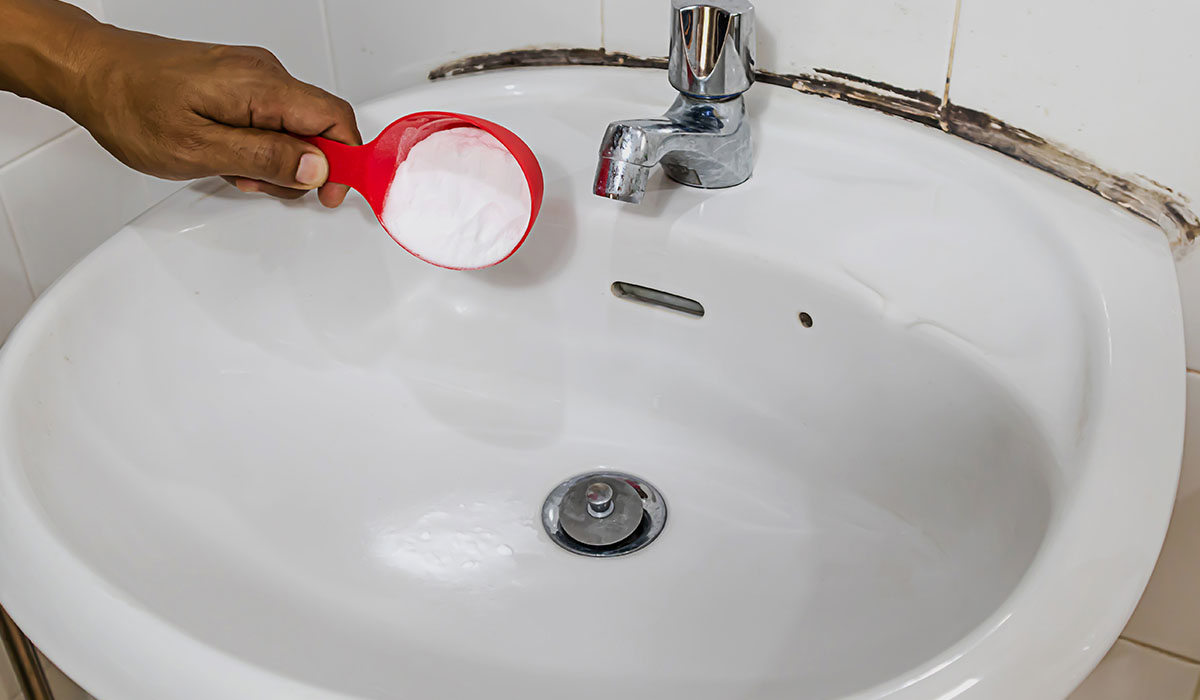
You don’t need harsh chemicals to deal with most clogged pipes and toilets. Instead, pour one cup of baking soda onto the clog followed by one cup of vinegar. The vinegar will activate the baking soda, causing a chemical reaction that produces clog-busting CO2 and sodium acetate.
After giving the mixture at least 30 minutes to work its magic, pour some boiling water on the mess and try flushing. It doesn’t always work, but you’d be surprised at how effective it can be.
When All Else Fails, Call the Pros
There may be a lot of plumbing problems that homeowners can handle on their own, but some issues need to be handled professionally. Whenever a pipe problem feels like it’s out of your depth, Fowler Plumbing is here to help. Give us a call anytime and let our team take charge. We’ll figure out what needs to be done so you can rest easy.